

If you’re thinking of adding a new lens to your camera this year, this quick cheat sheet will help you pick the right camera lens for your needs!
How to Choose a New Camera Lens
Confused by all those camera lens numbers? Not sure which lens best fits your needs? Here’s a breakdown of what all those numbers attached to an SLR lens mean.
What Is A 18-55mm f/3.5-5.6 Camera Lens?
Here’s a standard lens we can use as an example. This is the kit lens that comes with the Canon Rebel T3i. If you’re not sure what you’re looking at, this might as well be written in a foreign language! First of all, here’s how you say it: 18 to 55 millimeter F 3.5 to 5.6. Now let’s break it down.
What Does 18-55mm On A Camera Lens Mean?
This is your Focal Length. Focal Length is how far your camera will zoom in and out. The lower the number, the more you can fit in the photo. In other words, this is how much you can zoom out. The higher the number, the more it zooms in. The lens above will zoom from 18-55mm. 18-55 is a great focal length for an all purpose lens. My all purpose lens that hardly ever leaves my camera is 24-70mm. To give you a point of reference for what 18-55mm means, here are some examples of a few other focal lengths.
What Is A 10-22mm Wide Angle Camera Lens?
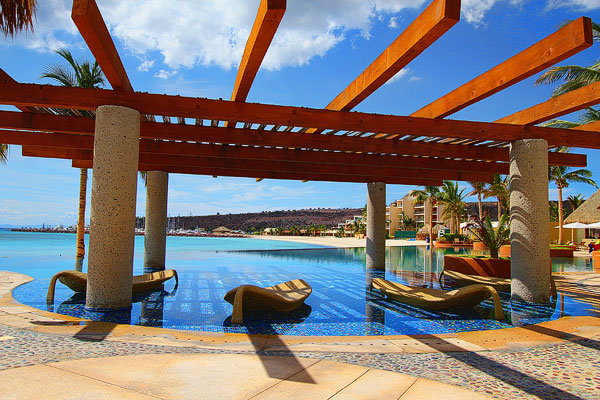
This is considered a Wide Angle lens. This lens will zoom out more than the 18-55mm lens. I use this lens when I want to fit a lot in the picture, but don’t have a lot of room to “back up” and fit everything in. A wide angle lens is great for traveling. I use mine to photograph hotel rooms, scenery, and city skylines. I can fit a whole lot in the photo without having to be too far away from my subject.
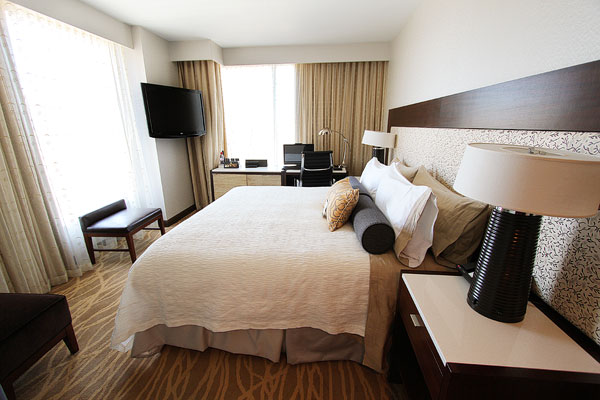
Lens: 10-22mm f/3.5-4.5
Focal Length: 10mm
Aperture: f/3.5
Shutter Speed: 1/15 sec
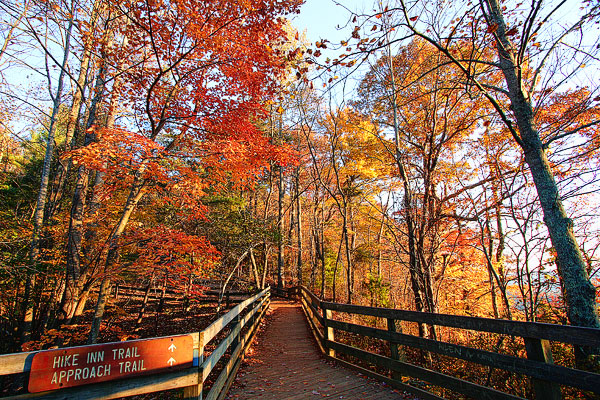
Lens: 10-22mm f/3.5-4.5
Focal Length: 10mm
Aperture: f/8
Shutter Speed: 1/15 sec
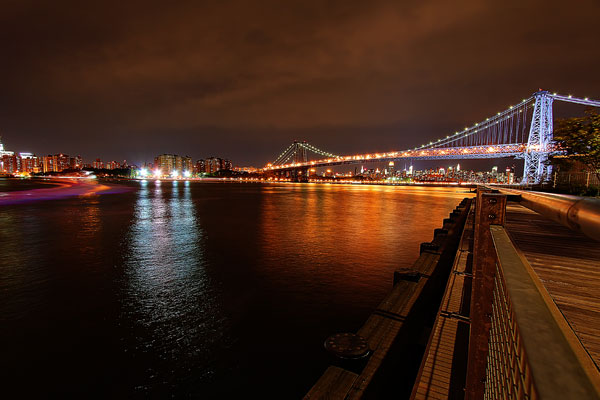
Lens: 10-22mm f/3.5-4.5
Focal Length: 10mm
Aperture: f/5.6
Shutter Speed: 15 seconds
However, due to distortion and lack of background blur, I would not recommend a wide angle lens for portrait or food photography.
Choosing A Telephoto Camera Lens That’s 70-200mm (and above)
This is considered a Telephoto lens. This lens zooms in more than the 18-55mm. I use this lens for outdoor action photography. Because it zooms so far in, I don’t know that I’ve ever used this lens indoors. With a 70-200mm lens, you would have to be pretty far away from your subject to fit it in the photo, which is why this lens is best for outdoors or indoor arenas with lots of room where you would want to zoom in. I use this lens for outdoor action shots of Miley and Howie.
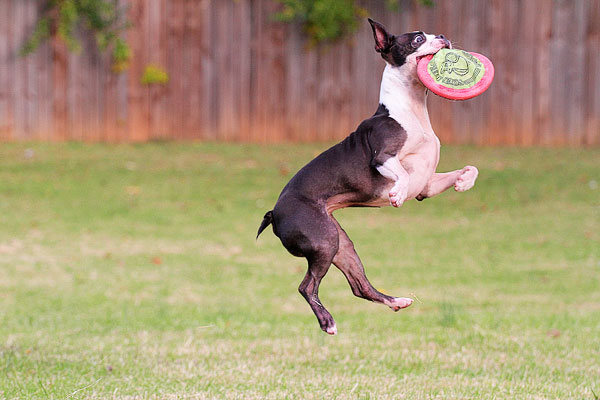
Lens: 70-200mm f/4L
Focal Length: 104mm
Aperture: f/4.5
Shutter Speed: 1/1000 sec
A telephoto lens is great for outdoors, action, and candid portraits — any subject which you can be pretty far away from and still photograph. I do not recommend a telephoto lens for everyday indoor photography.
What Is A 50mm Camera Lens?
If a lens only has one number it’s called a Prime or Fixed lens. This means the lens does not zoom in and out at all. I could not comprehend this until I got my first fixed lens! I did not know how it could not zoom at all. But it doesn’t. Imagine a cellphone camera without a zoom. If you want to get further away from or closer to your subject, you’ll have to move with your feet.
Lens: 50mm f/1.4
Focal Length: 50mm
Aperture: f/1.6
Shutter Speed: 1/500 sec
Prime lenses are great for indoor, outdoor, portrait and food photography. Their only limitation is in their lack of zoom.
So that basically covers your focal length. If you already have a lens, look to see what the focal length is, and take note. Do you like the focal length? Do you wish you could zoom in more? Zoom out more? If you want to zoom in more, look for a lens with higher numbers than what you have. If you want to zoom out more, look for a lens with lower numbers. If you’re pretty happy with the focal length, look for a lens with similar numbers. If you don’t already have a lens and you’re not sure what focal length you need, I would consider a lens within the range of 17-100 to be a great focal length for an all purpose lens.
Now on to aperture.
What Does A f/3.5-5.6 Aperture Mean?
Let’s go back to our example lens, the 18-55mm f/3.5-5.6. The aperture on this lens is f/3.5-5.6. Aperture controls the background blur, or bokeh, in your photos. The lower the number, the more background blur you can achieve. You’ll notice that this lens has two numbers, 3.5-5.6. That means that when the lens is zoomed all the way out (18mm), you can set your aperture as low as 3.5. But when you are zoomed all the way in (55mm), the lowest you can set your aperture is 5.6. If you have a lens with just one number here, for example, the 24-70mm f/2.8, that means you can set your aperture as low as 2.8 no matter how much you are zoomed in or out. Keep in mind that the aperture numbers on the lens are simply the lowest the aperture can be set. On both lenses your aperture can always be set higher, no matter what your focal length is.
To make things even more confusing, the amount of background blur created by the aperture is directly proportional to the focal length. The higher your focal length (the more zoomed in your are), the more background blur you will have. For example, a photo with an aperture of f/4 and a focal length of 18mm will not have much background blur. However a photo with the same aperture of f/4 and a focal length of 200mm will have a substantial amount of background blur. Notice the two photos below have the same aperture of f/4.
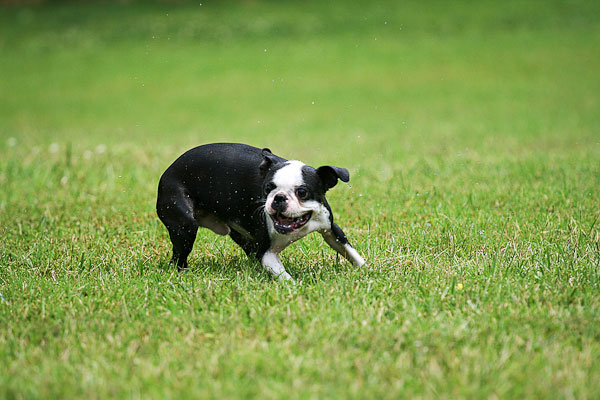
Tons of background blur here.
Lens: 70-200mm f/4L
Focal Length: 200mm
Aperture: f/4
Shutter Speed: 1/640 sec
No background blur.
Lens: 10-22mm f/3.5-4.5
Focal Length: 17mm
Aperture: f/4
Shutter Speed: 1/2000 sec
If you want deep, soft background blur at an all purpose focal length, I would not recommend getting a lens with anything higher than 2.8. One other important thing to note: If you want any type of background blur, I would not, under any circumstances, recommend a lens with more than one number in the aperture value. Take our example lens above, with an aperture value of 3.5-5.6. At 18mm, f/3.5 just isn’t a low enough aperture to give you background blur. Likewise, at 55mm, f/5.6 isn’t low enough to produce a soft background either. However, if you could set your aperture as low as f/2.8, you could generate plenty of background blur at a focal length of 18 or 55.

Lens: 24-70mm f/2.8L
Focal Length: 24mm
Aperture: f/2.8
Shutter Speed: 1/30 sec
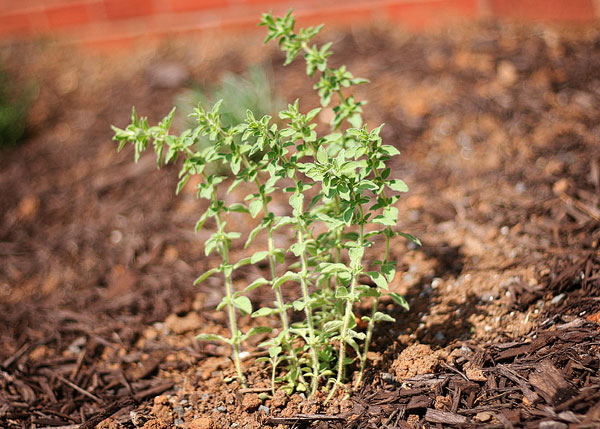
Lens: 50mm f/1.8
Focal Length: 50mm
Aperture: f/1.8
Shutter Speed: 1/2500 sec
Look for a lens with a versatile focal length with only one number in the Aperture area.
Should I Choose A Macro Camera Lens?
One other lens to note is a macro lens. If you find yourself constantly wanting to get up close and personal with your subjects, wishing you could zoom in closer for details, or cropping your photos closely once you get them on the computer, you may want to consider a macro lens. A macro lens lets you zoom in close to your subject and focus on the details so you don’t have to crop your photos or zoom in on the computer. Cropping on the computer only degrades the quality of the photo. Macro lenses are also great for portraits, and depending on the focal length you chose, a general all purpose lens.

Lens: 100mm f/2.8 Macro
Focal Length: 100mm
Aperture: f/2.8
Shutter Speed: 1/160 sec
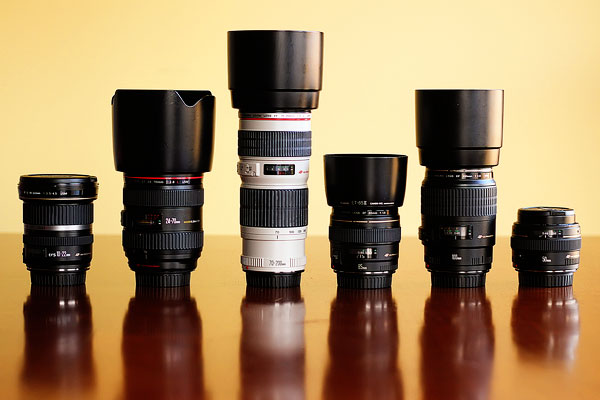
The Camera Lenses I’m Using
Here’s a breakdown of the lenses in my arsenal, along with how I use each one.
You’ll notice this falls in the all purpose focal length, with a nice, low, and singular aperture number. This is my default lens. I use it for travel, portraits, and food photography. A great alternative to this lens to consider is the Tamron 17-50mm F/2.8. That’s the lens I used for years before upgrading to the Canon 24-70 lens. The photo below was taken in 2006 with a Canon XTi with the Tamron 17-50mm F/2.8 and is SOOC — no editing. At just over $400, this lens is a great deal.

Lens: Tamron 17-50mm F/2.8
Focal Length: 50mm
Aperture: f/2.8
10-22 f/3.5-4.5 Camera Lens
This is a wide angle focal length, and since background blur is pretty much nonexistent at such a wide angle, I don’t care about the aperture number here. I use this lens for travel, scenery, city skylines, and hotel rooms.
50mm f/1.4 Camera Lens
This is a fixed lens with a very low aperture. This lens produces excellent bokeh! I use this when I want a ton of bokeh, or in low light when I need to use a lower aperture in order to steadily hand hold the camera. I talk about this more in depth in my Quick Guide to Understanding Your DSLR post. Another lens to consider is the 50mm f/1.8. Super cheap and super fun. You’ll get great bokeh with either of these lenses. They’re perfect for portraits, food photography, and because of the middle-of-the-road focal length, even travel.
100mm f/2.8 Macro Camera Lens
This is another fixed lens with a great low aperture. It’s a macro lens, and the background blur is excellent. This lens is fun for portraits and food photography. I use it when I want to zoom in super close on the details or get tons of background blur.
70-200 f/4 L Camera Lens
This is my telephoto lens, and I mostly use it outdoors to get action photos of Miley and Howie. The aperture is not super low, but since the focal length is higher, I’m still able to get great background blur.
Final Tips for Choosing A Camera Lens
The full name of our lens above is actually EF-S 18-55mm f/3.5-5.6 IS. The focal length and aperture numbers described above are the most important factors when choosing a lens, but just in case, here’s what those other numbers and letters mean.
EF or EF-S. This refers to the lens mount. EF is the standard lens mount on Canon EOS DSLR cameras. This is indicated by a red dot on the lens that corresponds to the red dot on the camera where you attach the lens. If your camera also as a white square, you can also accept lenses with an EF-S lens mount.
L. This indicates the lens is a top-of-the-line lens from Canon, also known as a “Luxury” lens.
IS. IS stands for Image Stabilization. Many of the available lenses will come both with and without an IS option. I always opt for the cheaper, non-IS version because I have a pretty steady hand. However, if you have a shaky hand, this might be an option to consider.
With this information you are now armed with the knowledge to confidently purchase a new lens for your camera! If you have any questions, I’ll be happy to answer as best I can. Just leave me a comment below. Happy shopping!

This was by far the most informative and helpful article I’ve read as far as understanding lenses. Thank you!
Thank you so much for this article! I used to do a lot of photography, pre-digital, understood my lenses fairly well, had my favorites. Years, and years passed. Now I have a new digital camera, I am having to start all over, and of course the old lenses won’t fit. They are all pre-bayonet mount for crying out loud. You article give me some clear info I can use to re-start, I appreciate your help so much.
I want to setup a photo booth. I just want to suggestion on what flash or studio lighting set I needed?… my canon eos 600d 18-55mm will be nearly 2meter away from my model.. and will 18-55 f3.5-5.6 is good enough to be used in photo booth?
So very helpful! Truly appreciate your information!
Hi Kevin,
I will be going on safari in S Africa in May. What lens do you recommend? I am thinking of the Canon EF 70-30mm f/4-5.6 L IS USM? Thanks for your attention to this enquiry.
A few months ago I bought a Nikon D750. It came with a af-s nikkor 24/120 1 :4 g ed lense . I mostly want use it for weddings , parties . This lens is kind of bulky and heavy . I also added a power pack . not to mention the bracket . So my question is, what other lens could I use that I could shoot close like wedding rings or some thing to that affect plus group pictures and some telephoto shots like perhaps the length of the church isle ?? Is there such a lens ?? Something not too expensive?? Thanks for any lens u might recommend .
Thanks for this lesson on lenses. However, I still am not sure which macro lens I should get. I am going to be doing sports photography for our local soccer club and will be doing action shots which I have my telephoto lens for but as far as the single photographs of professional quality which macro lens for outdoor still portraits?
Thank you
Tonia
ps > I’m buying in Australia
Hi Amanda, congratulations! Your photos are too beautiful, your blog is awesome and this article is great. Thank you. I’m an amateur on a very tight budget and buying my first DSLR. What is the best shot? :)
My goals: all purpose general use, portrait, outdoor and indoor, street photos; easy to carry around…
My budget: up to around $700 unfortunately :( Happy to buy either from a reliable second hand source if I’m lucky to find one or new if I can put a smart package together that would fit in this humble budget.
I’m thinking in buying a Canon EOS 100D body only (quality, versatile, compact, cheap) with either a Canon 50mm Lens EF5018II or a Canon EF 40mm f/2.8 STM pancake lens. Are these smart options or you suggest something else?
Thanks a million!
Just took the plunge to buy my first DSLR, this post has been invaluable in choosing lenses. Thank you so much!!
Excellent article! Finally, I am starting understand abount lenses.
Thank you so much.
Very nice information and easily understandable for a person new to DSLR world like me. Thanks a bunch Amanda!!!
Thanks for all this information! It’s great help for peope like me learning about photography by themselves.
Crazy question maybe… I found a Tamron lens that I’m tempted to buy. The reason why it’s tempting is because it covers EVERYTHING: 16-300 mm F/3.5 – 6.3 Macro. I think it sounds too good to be true though. I am worried about the distortion of the image. I don’t have a lot of money to invest in lenses right now and I only have a 18 – 55 mm 3.5-5.6. Your thoughts on this one?
Hey, can you tell me are the EF lenses compatible to a Canon rebel.? As am on a low budget. What would you suggest me with please email me.
Hi,
I have a Canon Rebel T1i. I’d love to get the Canon EF 70-200mm f/4L USM Telephoto Zoom Lens but it’s a little too expensive for me at the moment. I am wanting to be able to take some good clear pics of my 6 year old when she plays soccer. I was looking at the Canon EF 75-300mm f/4-5.6 III USM Telephoto Zoom Lens. Would this lens be a good alternative to the 70-200mm lens? I only want to spend about $100-200 if possible. Thank you for this article! Any advice would be greatly appreciated!
Casey
Amanda:
I have three Kids doing different sports, Like Cycling, Swimming and Soccer and I would like to keep those moments for life I’m trying to buy a Canon T5i but I’m not sure what deal to pick, meaning what lens will be better for long distance and indoors with low light and do not want to choose the wrong one, can you please give some advice
Thank you
Daniel
Hello!
Great post, thanks for the helpful information. I was wondering if you could shine some light on the canon 24-70mm F4L lens..I am able to purchase on sale for $799.00 CDN which is about $600.00 off the regular price. Do you have any experience with this lens? In the past I’ve been using a 50mm for all my food photography (which I won’t have access to going forward) but I find that I can’t get close enough up. I really love the blurred background ability on the 50mm though. I’m hoping the 24-70mm lens will be a bit more versatile (I would like to have a good lens to take pictures of my kids as well) I was looking at the 100mm as well but I was worried it would only serve for extreme close up food.
What would you recommend as the number one lens for food photography from your experience? My lens budget is limited at this time so I can only purchase one lens. Thanks so much for your help!
Great post Amanda. I see you’ve recommended the Tamron 17-50 f/2.8 in your post, how do you think it fares against the Sigma variant?
Your valued opinion would be much appreciated. BTW, I am a Nikon user.
Thanks
I’ve never used a Sigma lens, but I was very happy with the Tamron I had on my Canon. Hope this helps! :)
Great post! Question – what kind if lens do you suggest for group shots? I love my 50 mm and the bokeh I get with it, but I feel like I need to sacrifice the bokeh for clarity on all the people. Is there a way to get the best of both worlds?
I am planning for an African Safari right now and I am wondering, If you could only take 1 lens what would it be? What else would you take? Keeping in mind, of course, that I will have a limited amount of space.
Thank you!
Y’all are really great. I can’t believe how many photography tips and tricks you share – they’re awesome! You and your cute dogs remind me of our cute house rabbits. I love you guys. We’re from New Jersey, but my husband’s family is also from ‘ Bama! XO Thank you for sharing so much!
I love your photography related posts, I learn so much. You have a way of explaining things so they just make sense. I’m relatively new to photography and have a T3i with 2 kit lenses 18-55 and 75-300). I’ve also purchased a 55mm which I love. I’m now looking to get an everyday lens that I can take as my only lens to travel with. I’ve found a Tamron AF 18-250mm f/3.5-6.3 Di-II LD and wondering your thoughts on it. Do you think this is a good lens for my needs? Please do more photography posts.
Amanda,
What kind of lens would you recommend for my Canon EOS 4oD for shooting indoor school events?
Hi, I truly enjoyed this article. I still have so much to learn. I have checked out these lenses and they are just too expensive for me. I am mainly going to my camera to take pictures of grandchildren and then later for nature. I have been told to make sure the lens I get has IS, DO and USM. Although I actually only know what the IS stands for. I am looking to spend hopefully under $200. I am not picky if it is used or new as long as I don’t get took. I want to take pictures at games and first days of school and things like that. I like to take close ups when I can’t be close up. Can you suggest a lens within my price range? Is it true on a zoom lens that it takes longer for the picture to actually take? I have a Canon Rebel T3I camera and just have the lens that came with the camera. Thank you
Thank you so much for this!
It is very helpful and nicely described, just exactly what I was looking for.
Greetings from Switzerland!
Natalia
Hi! I’ve been browsing lenses online and in photography books for couple of years and I just couldn’t get my head to remember these numbers. Now I feel like I finally understand what they mean and I can finally go find the lens I really need. Awesome, you’re super great! Thank you :D
Dear Amanda,
I have recently been looking into buying a Canon Rebel Eos T3i. I am in to more of taking videos, and many people have recommended a Sigma 30mm 1.4 lens. Is that good for videos? And can you recommend a better one if there is? I want a clear video but with a light blur in the back round. Tell me what you think! And thanks for the help!
P.S: I usually take videos for Youtube.
Ok so where do you get all your lens hoods? Or what brand do you like the best?
Hi Mikelle! They either come with the lens or I buy them at the same time where ever I buy the lens — Amazon, BH Photo, etc. Hope this helps!
Thanks so much Amanda! I’ve read so much and couldn’t make sense of it, much clearer now. My question is, I will be shooting kitchens for a cabinet maker to put on his web site. What/how is the best way to shoot toward a window and get the real wood color and grain? I would like to get a low cost wide angle lens if you have suggestions for that also. Thanks Gail
Wow, this information was fabulous. I just purchased my first DSLR camera and I can honestly say before reading this, I didn’t have a clue about lenses and aperture. The explanations and examples you gave are terrific. I plan on taking a photography class in 2014 and I am taking this info with me to the class! Thanks for your post.
Hi Amanda,
I’d like to start off by saying this is a great article and I will definitely be sharing it.
Apart of my blogs new projects is to interview unique people. I plan on recording the interviews with my Canon Rebel t3i. I have a standard lens (18-55) and have been advised I should look into something else.
We plan on interviewing indoors (a quiet room with lots of light). I am on a budget and prior was interested in getting something like a 70-200mm as it would serve all the practical needs (professional/personal) in the future, but I am told a 50mm would be better for the videography project as it’s a wide shot?
Please advise.
HI!
Wow your tips are amazingly detailed and helpful.
I have a Nikon J1 camera. Which lens should I use for blur backgrounds?
Thank you for this post, it has helped me understand the basics :)
So i am thinking of buying a new lens for my nikon d3100, amd am not exactly sure what i should buy, there are just way too many lenses out there :) so at the moment i was looking at the 50mm 1.8 or 1.4. My first question is, is it worth it to buy the 1.4 for double the price? The primary things i would like to photograph is close up nature and food, and possibly some portraits occasionally, but not too often. The second type of lens i am considering is a macro lens of some kind. I really do not want to spend too much, under 500 if possible, and would like something that does a little bit of everything with a nice bokeh. The current lenses i have are just basic kit lenses, a 18-55 and a 55-200. Thanks so much :)
Amanda,
I am just getting into blogging and photography. Although photography has been a passion of mine since I was a child, it’s just now that I’m getting into more detailed photography. This post and another one you did has made this so easy to explain. Thanks for that! Hopefully one day I can do as well as you!
Best,
-Kat
Hey Amanda!
I’m not a professional photographer but I’ve been taking pictures for over two years now. I have a Nikon D5000 and use a 50mm 1.8 lens. I want to upgrade my camera and lens and would LOVE some suggestions! I only shoot outdoors right now. Mostly family, children, couples, seniors, etc. I would also like something (a new lens) for indoors for baby showers, birthdays, & holidays.
I’ve thought about getting a full frame camera as my upgrade. Any input would be greatly appreciated!! Hope to hear from you!
Thanks so much! :)
Love this post! So if you could only have one new lens (I already have a 50mm 1.8) would it be the 50mm 1.4, 85mm 1.8 or 100mm 2.8?
Hi. This is a really good article. Really simplifies all the details about lenses. Thank you so much. I had a question though.
I am pretty new to photography and I have the basic nikon 18 to 55mm lens and managed to pick up a 50mm f/1.8 manual focus lens. I am not a photographer but for general portrait would you recommend me to buy a 85mm f/1.4 if I am getting it cheap? Would it make much of a difference from the other prime lens that I have?
Hello Amanda,
Your article is awesome and you made it so easy to understand. Especially with the pictures.
Could you please explain ‘Shutter Speed’ .
Thanks,
Aanand
I’ve already bought the Tamron 17-50mm F/2.8 and 100mm f/2.8 Macro based off of this page and I’m about to buy a third lens on here (the 50mm 1.4 because I just broke the 1.8)
Too bad I couldn’t buy any of these lenses in the US. You’d have made quite a bit of money off of me. :D
Wow wow wow, Oh my Godness!!
This is such an amazing article! I’m so grateful for you.
Finally I’m able to understand exactly the meaning of the information on lens barrel (especially the fixed F number)…
One question please, do you have any idea about Sigma 24-70mm f/2.8 IF EX DG HSM whether it’s a good deal or not, or may be Tamron is better?
Thanks again.
Wow, this is the best article on lenses I have ever read! Very to the point, but with just enough information. Thanks!
Hi! I see that you have a Canon 70-200 4L. There isn’t IS on this lens. How do you do with it? I am a portrait and wedding photographer and am saving to buy the 70-200 lens. I just don’t know which one! It is a big investment. If I could get away with getting the 4L, I would totally buy it today!!!
Please share your thoughts. Thanks so much!!
Sharin Shank
Hi! I see that you have a Canon 70-200 4L. There isn’t IS on this lens. How do you do with it? I am a portrait and wedding photographer and am saving to buy the 70-200 lens. I just don’t know which one! It is a big investment. If I could get away with getting the 4L, I would totally buy it today!!!
Please share your thoughts. Thanks so much!!
Sharin Shank
Hi Sharin!
Can you rent them both and see which one you prefer? Since it is your business, I would definitely recommend getting the best glass you feel comfortable investing in. :) To be honest, I have never used an IS lens, but I do most of my shooting outdoors in full light, so I have never missed it. If you are shooting indoors or in low-light situation, an IS lens might be worth the investment! :) Hope this helps! :)
Great post! I am looking to buy a lens and had know clue what I was buying but you just made id so simple thanks!
I received a EOS Rebel T3I FOR XMASS AND THE LENSE THAT CAME WITH IT IS GOOD FOR CLOSE UP NOT DISTANCE WHAT LENSE FOR LAND SCAPE FAR AWAY FROM ME TO GET UP REAL CLOSE PLEASE HELP LIKE MY MANUAL CANON TAKES GREAT PICS FAR AND CAN BRING THEM UP SO CLOSE BUT WANT TO BE ABLE TO DO SAME WITH MY NEW ONE PLEASE HELP WITH SOME SUGGESTIONS TY FOR YOUR TIME
Hi there! I am about to take some photos for a friends. Outdoors with solid White barn backdrop. What lens do you recommend I use? This will be for marketing in her salon. I have a Nikon D3100. was thinking about renting Nikon 70-300mm f/4.5-5.6G AF-S IF-ED VR
Thanks
Hi, Amanda
As the name implies, I know nothing, and would love to take up photography. I am going to Vietnam and Cambodia, later this year, and am looking fo a lens to encapsulate places like Halong Bay.
I have a Nikon D3100 camera, and would much appreciate some help.
Thanks
Sorry, forgot to say I am looking for a lens, I already have 18-55m Thanks
Haha! Nevermind. I just read about it in your tutorial. Thanks!
I am a novice and I was given this lens. When would you use this lens: Sigma DG 70-300mm 1:4-5.6. Thanks!
I have Cannon 2si. I use kit lens primarily. Would a Tameron 10-24 give me a better landscape picture. Is it worth the $500? Is it a good lens for the money?
Hi Amanda! Such a helpful post. I am interested in the 17-100mm you were talking about. Do you have any specific recommendations or even links? I can’t seem to find it online. Thanks!
Thank you for such an educational website. I just upgraded from a 6 year old Canon Rebel (that still works btw) to a new Canon 60D and am very intimidated but determined to learn how to use it. This site is just what I needed to do just that. Again thank you so much :)
Thanks for this detail post Amanda!!
I’ve a question- are all your recommendations on a crop sensor camera or full frame? What camera body do you own?
I have been looking for a break down that I could understand. Thank you for taking time to do this. It helped me a ton!!
can you tell me how i find the size off lens to fit my sony a57 thanks jane
Have to agree with so many previous posts. Great concise, manageable summary of lenses and what to look for. I’m shooting a Canon 600D with the 18-55 and 55-250 kit lenses. I also have the 50mm 1.8 and love it. I take everything from inside portraits to outdoors and backyard birding shots. Have an upcoming trip to Jackson Hole and am looking to add to my collection before my trip. I am willing to pay for good glass although can probably only afford one more lens at this point. After reading your article, I’m trying to decide between the Canon 17-55mm 2.8, the Canon 10-22mm, or the Canon 100-400mm 4.5-5.6L. Originally I was looking for additional focal lengths to what I currently own, but perhaps I should upgrade quality instead. Any thoughts would be great.
This is probably the BEST lens guide I’ve seen! Nope….definitely. :D I appreciate it and I have a lot to think about! I thought surely I would add the 100mm to my gear (as I have a 50mm f 1.4 and 1.8), because I thought I could kill 2 birds with it- food and portraits. But I also need to be able to photograph the kids in a pic together at least once before they get old. lol Now, because of your beautiful shots and in-depth advice, I am leaning toward the Tamron 17-50 and the Canon 10-22mm together instead of the 100mm. Does that make sense? Or am I missing any key factors based on my needs? I have a bday coming up in 2 weeks so I need to be ready when the hubby asks… lol
Thank you again! Be Blessed!
Zina
Dear Amanada,
what kind of lens you use to shot a portrait?
Fernando
(from Brazil)
Hi Amanda
I found this post extremely helpful, it sort of lifted the cloud off my head regarding focal length and apertures, am a food blogger, right now using a Canon DSLR with the standard 18-55mm lens, looking to buying a macro lens, was not sure about what to buy, this post cleared my doubts to some extent, thank you so much..
Thank you. Thank you so much for this post. I’ve been thinking about getting a new lens to take my hobby on the next level. Honestly, my kit is a 600d canon and 18-135mm lens. Sometimes it’s frustrating whenever I take some photos that doesn’t match with what I need or what I want (I’m a digital scrapper). And so I tend to think that I chose the wrong lens. I love everything macro so I’ll take note of the 100mm macro lens, also that of 24-70mm or 50mm. Love love love these inspiring photos. Thanks again!!
Reeeally helpful information here, Amanda. Thank you so much for sharing, it’s great for referencing. I got passed down an old Canon XTi/400D which I hardly ever use because of my lack of photography knowledge. Since I just started food blogging, I’ve been wanting/needing to know more about it and how to appreciate my SLR even though it’s an old camera. Again, great sharing!
-Kayiu
Thanks for your blog i have been asking all around about what the different numbers mean and you just solved all my questions for me.Now i know exactly which lens i need to use for my Canon Rebel t3,you just saved me alot of time and money once again thanks.
Thank you!!! You’re awesome! ;)
Do you think the Canon 18-200mm f/3.5-5.6 Telephoto Zoom Lens would be a good all-around lens?
Thanks for your Information!
Dustin
thank you so much for this post. Before i read this, i used to think that the higher the mm, the better quality photos you get, so i used to buy only lenses with high numbers such as 200+ but now i know thats not the case at all. each kit has it’s own purpose. I’m never overlooking a 18mm lens again. Thanks for the better understanding!
I went with the Tamron 17-50mm F/2.8 although I really wanted the Canon. It’s just not reasonable at this point. It’s arriving on Monday. Yay! Thank you again for this lovely tutorial. :)
I just spent hours researching lenses and being very confused. I worked off of the lenses in your Amazon store but then I realized… what am I doing? Amanda HAS to have a tutorial on this somewhere. And you did. Thanks a bunch! It cleared things up for me. I really want something for sightseeing that will also work for closeups of food. I’m thinking the 24-70mm. But the 10-22 f/3.5-4.5 would be so nice too! This is agonizing.
wow what a great post! Thanks so much for sharing. I’m still learning and this helped out alot thanks again!
Thank you so much for shaing this! You knew exactly the questions that I had in my mind and explained them so clearly.
Yes , I kind of have the same question as Krista. I would like a lens about 300 mm but hoping to stay under $200.00 IF possible. I also have a Cannon T3. I have a Sigma 28-200 from my old Cannon rebel 35mm camera. It attaches but only works SOMETIMES. I don’t know if I should be putting the 35mm lens on my new digital camera as far as compatibility reasons. Error codes have said check contact points or clean them (cant remember). whats your thought please. Thanks….Chris Cincinnati
What a find! I am a camera newbie ~ my (wonderful) brother gave me a Canon Rebel T3 for my birthday about a month ago. I’ve been taking bunches of pictures and trying to learn about lenses ~ finding this info is amazing :) I have an 18-55mm lens, but want a telephoto lens. I am trying to decide between the Canon 55-250mm and the Canon 75-300mm (price for me is good for both). I will primarily use this to take pictures of my son’s sporting events (baseball games, cross-country, basketball, water-skiing, etc), as well as using it on vacations. Any suggestions or preferences with these? My high price point right now is $300, but would rather stay below that, if at all possible. Thanks for all the great tips here ~ I’ve already learned a bunch!
Such a great post! I’m a future teacher/mother and can’t wait to purchase a camera! Thanks for the great info! Stop by and say hello on my blog!
Amanda,
Thought I’d chime in: The 70-200mm is fantastic for gymnastics. There’s not a ton of info out there for those amateurs who want to get those swift, dramatic moves their kids are making on the gymnasium floor, and this lens is the tool to use. Took me ages to find what I needed, but your site helped me decide!
Kind Regards,
Kate
I love you. Seriously! I’ve been looking everywhere for this information and I could never find it until now. I just figured out everything I’ve been doing wrong. So, thanks!
Thank you so much for your helpful blog! I went to a quickie photography class and this helped me sooooo much more! I know EXACTLY what lens I want now thanks to you! You’re amazing!
Amanda,
Last summer, while visiting Florida, my Nikon was stolen. My dearest friend just sent me her old XTi, but I needed to buy my own lens. As my husband and I are in grad school, there was no way I could get a lens I *wanted*; I had to settle for what the local pawn shop had. I am now eagerly shooting with a Canon lens 35-70MM 3.5-4.5. Can you give me any advice on this lens and shooting with it? While I’d love to have a 50mm {and about a hundred others} I’m so grateful to even have this. I missed 8 months of shooting my babes!
Thanks for the beautiful site and constant inspiration!
Kind Regards,
Kate
Thank you, thank you, thank you so much for this post. It’s the BEST, most informative and CLEAR tutorial I’ve read on this topic! I’ve joined a digital photography site and I get overwhelmed with the layout, let alone the information. I have a Canon EOS 1100D and I want to be able to use it well. I’m not as yet ready to buy a lens and your tutorial has convinced me that I CAN work with the standard lens kit that I have. Much appreciated.
i know you are CRAZY busy these days, but could you give the full name of your 10-22 lens? i want to get one and have NO idea what it’s called?
I have a plan to upgrade my point and shoot camera into a DSLR. Thank you so much for sharing this valuable info about cameras and lenses.
This was SO incredibly helpful. Thank you!
I really love this blog, and I really, really love this post. Camera’s are so confusing, and your blog has helped me so much with my photography! I picked up my camera about 2 years ago and started playing around with it, not having any idea what I was doing. I just pointed and shot. This blog has helped me so much and been such an inspiration in regards to photography! So, again, thank you!
Hi!! I LOVE your work and also LOVE to read all your articles!! I do have a question. I’ve been debating on the tamron 28-75 or the Tamron 17-50. I have a canon D40 and want to make sure both of these lenses will fit on that camera and also am interested in which one you would choose.
Thanks so much for the post! I did not know anything about my lenses and couldn’t figure out why my Christmas tree lights wouldn’t blur like yours in the post about bokeh.
HUGELY valuable info here! Thank you! But I have to know… where was that gorgeous vacation shot taken… with the water and the stone pillars? WOW!
That was at the Costa Baja in La Paz, Mexico. I wanted to live there!
THANK YOU so much for this post! My husband just bought me the Canon T3i for Christmas (should be here tomorrow!) and while I have a couple of basic lenses for my 35 mm Canon EOS camera, I wanted some specialty lenses, too. I just wasn’t sure which lens to ask for first! And now, I can show him why I need each lens. LOL
This is extremely helpful. I’m actually looking to buy a good starter lens that would be useful for portraits and basically your standard day-to-day shots. You mentioned the Tamron 17-50 mm f/2.8. Would there be a huge difference between that and that Tamron 28-75 mm f/2.8? I just really want to spend my money on the right lens. Thanks again for this. I love your site!
Well, I just read some of the comments and saw that some people asked the same question :) So I found my answer. Sorry to bother you, but seriously, thank you for the tutorial! This was fantastic.
I’ve been researching lens all month since I wanted to bring a 2nd lens for my RTW trip. I ended up getting a 35mm 1.8 for my Nikon D90. It should complement my 18-105mm kit lens well I hope. I really wanted the Tamron 17-50mm 2.8, but it was twice the cost of the 35mm and wasn’t as sharp.
Thanks so much for this post!! I’m looking to buy my first digital slr, and I know what I want it to be able to do that I’m not able to with my point and shoot. Now I know what I need to look for in lenses! Extremely informative and helpful. You guys are awesome!!
Thank you so much for this post! Very informative and helpful! My early Christmas present was a new Nikon camera. I’ve been completely overwhelmed, but this post was a HUGE help!
Wooow now I understand everything!!! thanks so much Amanda!! you have no idea how useful was this!! new item added to my wishlist lol
FABULOUS post Amanda!!
A few months ago I bought the Tamron 28-75mm 2.8 (for Nikon) since I couldn’t afford the Nikon 24-70mm 2.8 and I’ve been VERY happy with it!
I think, especially after your post, I’d like a wide angle lens next or the telephoto.
Thanks for all the info!
Thank you for this post … I always feel like I am missing something … I have a Nikon D 80 and wish I could upgrade, but that will have to wait.
My lenses are:
1. Macro 60 mm
2. Portrait Lens 50 mm 1.8/22
3.18-135
I sold my 55-200 because I felt I could not take a pic with a lot of zoom … or at least I did not notice a lot of difference with my 18-135.
I want a Tamron 10 -24 …
I love to shoot food and portraits and building structures … nature is not my thing really … please tell me aside from the wide angle … what am I missing?
Thank you for your help!
Ahhhh, finally some info I could really understand!! Thank you so much for this post!! So helpful!
Thank you for making this post. My husband just bought me the Rebel T3i, and I was wondering what lens I should get. I’m so excited to get started creating great photo memories!!
Great overview of the lenses. I noticed someone else mentioned this as well, but I also heard that the tamron 28-75 is a really good lens, especially for the price (around $450) been compared to the canon L 24-70. I am pretty sure that will be one of my first lens purchases when I make the jump to a DSLR. My fiance says after the wedding if we stay on budget :). I do have an awesome camera right now though, so we’ll see.
Thank you for this helpful information! I am new to photography but am reading everything I can get my hands on. I have a question though. My husband (God bless him) is allowing me to make a new lens purchase and I am debating about what to buy. I have been told the 18-200 is a great versatile lens, but now I’m reading about the 24-70 and how people love that as well. I am looking to use it as an all purpose lens and will be using it to take portraits. Any suggestions?
You are amazing Amanda!!! After 4 years at school learning about photography I still never learned about lenses. This is the most informative post and details I have wondered on for so long. Thank you for sharing your knowledge! Where does your knowledge come from by the way? You know so much and are such a talented photographer!
(and ps, i have the 24-70. i LOVE it. :D)
thanks, this is excellent!
i’ve been doing photography for a few years, but this is so great to remember the basics and you broke things down and explained them
really well. i’ll be referring my friends to this post when they ask me about lenses (because i often don’t even know where to start)! well done.
This post is beyond perfect for me as I am just starting a small photography business! Thank you!!!
This post was super super helpful!! Thank you so much for sharing your knowledge!
What a wonderful post!! I love all the photos showing just what each lens does and what the end products of each lens looks like ~ Love it!! I am in the market for new lens and this will be a great help! I put the whole post in a file to keep and save!! Thanks I do love your site ! I am always impressed with the content! Thanks and Merry Christmas to you!!
Thanks for sharing your knowledge – it can be so confusing, so posts like this are so incredibly helpful ad much appreciated.
This is such a great piece. You have managed to make it very understandable, especially with the photo examples. Thanks so much. I find all your posts very inspiring!
Thanks for this excellent info!! Helps a lot!
I LOVE my 100mm lens, my most favorite and most used one, and my 50mm too.
But now I *need* two more :)
Amanda, what an amazing post! You are such a great teacher. I always learn so much from you. The more I take pictures the more all of this stuff makes sense to me.
Amazing post! You made everything so crystal clear. I just got my first DSLR (Canon Rebel T3) a few months ago and am already suffering from “I need more lenses” syndrome. I used the kit lens for the first 3 months but couldn’t get the bokeh I wanted from that (as expected). So I got the $100 55mm prime f/1.8, and, wow, I love it! The difference in the picture quality between that and the kit lens is amazing! I can get some pretty serious bokeh with that one. However, I don’t find it to be an ideal everyday lens to keep on the camera all the time. When taking group shots or scenery/sightseeing pics on vacation, you just can’t walk far enough away to get what you want in the shot. Or, for example, I was trying to take a group pic inside my house but the wall was in the way from backing up enough to get everyone in the shot. So I find myself switching lenses all the time, which I doubt is ideal. I’m really wanting the Tamron 17-50 mm f/2.8 or maybe the 28-75mm f/2.8 for that reason.
I am completely inspired by everything you post! I’m 17 and I have a website on my own and I’m kind of wondering how you enable viewers to post comments to a post. Just get back to me if you can, please. Great post on cameras, too!
Loving this post. Extremely helpful.
thank you for this post, I want a new lense. I have basic Nikon lenses, so hopefully can get another one soon.
OH MY GOSH.
I am so intimidated by my camera, and have become one of the people I mock – resorting to “auto” mode *gasp*!!! It all seems so latin to me, but you always put it into laymen’s terms for me… THANK YOU!
I actually feel, after reading this post, like I know what lens I want to look for in order to shoot photos of my cards properly. I need to brush up and read your previous posts – lighting, settings, etc… Get back into practicing my Manual skills.
THANK YOU SO MUCH!!!
Thank you for this. I love your easy-to-understand style tutorials. Things always seem clearer when I read your info posts.
This is an excellent post! I see that you mentioned the Tamron 17-50 2.8. Do you have any experience with the Tamron 28-75 2.8? I think this focal range would better suit me but have read mixed reviews about it. Any thoughts? Thanks in advance! :)
Hi Melanie! Unfortunately I don’t have any experience with the Tamron 28-75 2.8, but I can say that I was very happy with the Tamron 17-50 2.8. :)
Great post!!! So incredibly helpful! I’ve been using my 18-55 kit lens and have been debating which lens to buy next. Now I know what to buy to improve my photography. Thanks for this post!!
Thanks for the “lens primer” post! You have a great talent for making all things photography easily understandable. I currently use a P&S with manual option, but am really hoping to update to a full DSLR early 2012 and the timing of this post on lenses couldn’t be better! I just wish I could carry you around in my pocket for the first month or so after I get my new camera!
This is a fantastic post! I have been doing lots of photography research online but this really helps with choosing a lens. I’m going to save this post for when the time comes for me to choose a new lens. Thank you!
Amanda, thank you! This is great info. I’ve been using a Canon DSLR for years, but never understand all of the lens numbers. I just upgraded to a 60D with a EF-S 18-200mm f/3.5-5.6 IS kit lens. I already have the fun 50 mm lens, now I “need” the Tamron 17-50mm F/2.8. Thanks!
Oh my. Thank you so much. This article is so timely because I just got my first dSLR and I am determined to NOT use the automatic mode.
Thank you for sharing this information. It is so much help.
Thank you for the great info. I’ve been trying to figure out what lense to get and this has been very helpful.
Have a great holiday season.
I’m looking for an affordable lens for my Nikon D5000 and I’m debating between the 50mm f/1.8G and the 35mm f/1.8G AF-S DX. I really only take portraits of my daughters and I want a nice bokeh. Thoughts?
Hi Erin! I would recommend the 50mm for portraits of your daughters. For portraits, 35 is a little wide for me, and you’ll get better background blur with the 50. Like we learned above, because of the relationship between focal length and background blur, you’ll get better background blur at 50mm than 35mm even if your aperture is set to 1.8 in both cases. The 50 will make a great all purpose lens as well!
Amanda, what a wonderful post! I love the details and specifics. So easy that I could just email this post to my hubby as a *hint* for Christmas. Thanks again! :)
Thank you so much for posting these helpful tips for us! As a newbie learning photography on my own, I really appreciate that you have a sample picture along with the specs. They are a lifesaver! Thank you.
Brilliant break down! I am still trying to learn how to use my camera after two years ;D. LOL…don’t ask.
I absolutely love your photography posts! I got my first DSLR this summer and I swear I learn something new everyday just messing with it. I just started turning the switch from A to M a few months ago! Phew talk about stressful! :)
Thank you so much for this post Amanda. I am looking to buy a new lens but still not sure what I should buy. You’ve helped tremendously. Thank you again. You have some awesome photos on this site.
Love this post! You’re so awesome!
Fabulous post. What about lens hoods and filters. What is the advantage? I’ve never used either.
I love your posts! I can understand you:) Thanks for always sharing your knowledge! So happy I got the 24-70. Loving it!!!
Brilliant, helpful post as usual!!
you are so awesome. seriously I have learned more from you than I did in a college photography course. Thank you soooo much!
Oh I love everything about this post and I could geek out for hours and talk lenses!
My #1 go-to lens is also the 24-70mm, also.
I keep thinking for food photography that would I get even crisper images if I used a prime lens so recently just bought a 35mm lens (not the L glass, the cheaper one)….and I haven’t even broken it in yet.
I also bought an 85mm prime b/c I’ve heard that photographers who do portrait work love the bokeh on it. I bought the 1.8 and not the 1.2 (there was over a $1000 price difference in it and I figured I didnt need the 1.2 anyway)
And also have the 50 mm 1.8 and keep wondering if it’s worth the money to upgrade to the 1.4 b/c I have the 24-70mm and should I just use that…the same could have been said when I bought the 35mm prime a few weeks ago, too.
Anyway…I love love love lens talk and both the tutorial-info you provided and the lens info, awesome.
If you want to talk about the types/brand of UV filters you use on your lenses, if you think there is a big enough difference between L glass and not in things like a 35, 50, or 85mm, or anything else you want to ever discuss in future posts, I’d love to read it!!
Sorry to keep rambling….
:)
Thank you SO much for demystifying the lens decision; it’s much appreciated!
Demystifying the Lens Decision, love this! :)
The best explanation I’ve ever seen. Thank you. I’ve taken a “simple” photography class and I’ve had my husband try to teach me a thing or two about the camera and lenses. You’re the only one that has me understanding. This is perfect. Thank you again.
Peace,
Anne WF
I subscribe to your blog, but honestly your photog tutorials are my absolute favorite! I just got a Nikon 5100 yesterday, having upgraded from a D40 and am fairly new to photography. I love how you break things down into easy to understand verbiage. Will you be discussing shutter speed soon…I hope, I hope?
Hi Amanda!
Thank you so much for all of your photograpy tips. After buying my camera a Canon T1i and the kit, the next lens I had to have was the 50mm after seeing your bokey tut post. I’ve been stalking the 24-70 but geesh the price. It sits on my wish list. ;0) I ‘ve printed all of your tutorials out and use them as quick guides. You should consider making a digital book! You relay the information so well and it’s super easy to understand.
Thanks again! Happy Holidays!
Thanks for this awesome post! I was curious if you would consider the 28-75mm f/2.8 to be a “wide angle” lens or if the 10-24mm f / 3.5-4.5 is the way to go?? I asked for the 28-75mm for Christmas but after this post I’m starting to wonder if I should have asked for the 10-24mm?
Thanks!
Hi Meg! The 28-75mm f/2.8 would make a wonderful all purpose, never take off the camera, use for everything lens. At 28mm, you’ll be able to fit a lot in the picture. But a true “wide angle” lens would be the 10-24. You’ll be able to fit a TON in the picture, When it’s zoomed all the way out, the photo may even have a slight “circular” quality to it because it’s so far zoomed out! You also won’t get any background blur with a lens like this. If I could only have one lens, I’d definitely go for the 28-75. :)
And I should add that I LOVE your collection! :)
I have to add one more to the list (the one I’m stalking) – the 17-55 2.8 with IS. While I’ve always longed for the 28-70L, after months of reading and researching I’m leaning towards the 17-55 as it’s supposed to be one of the best lenses hands down if you are on a crop sensor (I use a 50D). The glass is repeatedly said to be as good as the 24-70L (many say they prefer it to the 24-70), the IS rocks especially with the constant 2.8 and it’s said to be tack sharp even wide open. On the downside it’s every bit as pricey as an L series, and apparently doesn’t have the build quality, there are some dust issues and at the price, a lens hood should be included! It’s EF-S, so not great if you plan to upgrade to full frame. I want to run to Amazon and hit buy now!
I ADORE my 50mm 1.4. I rarely take it off. I debated it as I have the 1.8, but it was so worth it. I also love my 100mm Macro, but it is long, especially on a crop sensor, and really hard to use indoors.
Ah, love talking lenses!
Thanks so much Amanda! This was most helpful. Now I can intelligently verbalize what kind of lens (and why) I want for Christmas to my husband. He’d thank you too. :)
I am strongly considering [forking over my life savings and] getting the 24-70 f/2.8. I’m ready to have a versatile lens that I can depend on in a variety of lighting conditions.
Question: Do you think it’s too heavy to carry around with you everywhere? I take my DSLR with me EVERYWHERE (even the grocery store!) and I’ve read that it’s quite heavy. And is it really worth $1300?!
Hi Allie! The 24-70 is a beast for sure! :) I do generally carry it around with me all day when I’m on vacation though, and it does fit right in my purse. My shoulder gets sore by the evening, but the versatile focal length and pictures are totally worth it. :) However, I will say that I could not justify spending the money on the Canon lens until I started earning an income from photography. Until then, I was completely and totally happy with the Tamron lens mentioned above. It’s smaller and lighter too!
this seriously could not have come at a better time. thank you!
Ahhhhhmazing. Thank you for the info/tips! My husband and I just received a wedding gift from my brother-in-law…a Canon T3i!!! We are so excited to start playing with it :) I sent this post to my husband because all of the terminology, well, scares him. I told him not to fret – you saved the day! :)
That seriously rocked. Thank you!
This is SO getting printed and put in my camera bag. (After I update my wishlist) Thank you!!!
What an informative post! I shoot with a Nikon D3100 and have two very basic, higher aperature multi purpose lenses (18-55 and 70-200 or maybe 300), but my favorite is my prime 50mm with a low aperature lens. The lower aperature lenses with zoom always seem so expensive, but I know they’re worth it!
Hi Amanda – Thanks for the great post. I see you mentioned the Tamron. Just curious, I am on a very limited budget, but would really like to add another lens or two in my collection. Do you suggest that someone start with the Tamron for those other sizes, or would it be better to wait until the budget allows for a Canon purchase? Thanks again for such great postings!!
Kim
Hi Kim! I started with the Tamron until I could afford to upgrade to the Canon. I was very happy with the quality of photos from the Tamron lens. :)
thank you so much for this entry — I’m looking to invest in a 24-70mm soon and this has helped me immensely!! :)
This is an incredibly helpful post, I’m printing it out :). Thanks for putting it together and making it simple:)
Stephanie @allartful
Great tips, I’m currently down to 1 lens, a 24-70. I def need a few more. I would highly rec the 50 1.4 though from my experience over the 1.8. I have broke too many 50 1.8’s. Even though they are cheap, I don’t think they are worth it if you photograph nearly everyday.
I always wondered about all the lenses. Thank you for the great tutorial…I am a real visual person and the pictures were very, very helpful.
THANK YOU! This detailed post is one of the most helpful posts I’ve ever read about lens choices. Thanks a million times!!!
Thank you very much for this post!!
I requested a new lenses from Santa (husband) for Christmas but I wasn’t sure which ones are the best for what I am planning.
You photos are fabulous!
One question do you use a stand while doing these photos or no? If you know of any good tripods please email me I need one for my canon 7d :)
Hi Erin! I generally only use a tripod when I can’t hold the camera myself — either when I’m taking a picture of me and Kevin, or I’m in the kitchen and using both hands, but want to photograph what I’m doing, or if I’m using a really slow shutter speed to capture soft waterfalls or city skylines at night. I’ve had my tripod forever, I think I just got it at Best Buy! I’m in the market for a new one though, so if I find a good one, I’ll let you know. :)
Amanda doll, thank you so much for this incredibly helpful info. I’m getting a Canon Rebel soon and feel like it’s a little over my head. This post made the photography lens verbiage way less confusing! I am definitely going back to read your DSLR post! Thanks so much again!! Happy Holidays to you, Kevin, and your pups!!
Thanks for the great photography tips. Maybe you should include more of these on a semi-regular basis for those of us like myself, who are looking to become more advanced in our photography skills. My oldest son is already telling me that when he gets settled (he just moved back from the West to the South) to live with his dad and I that he will be buying me a more advanced DSLR than the little point and shoot that I have. I love photography and want to advance my skills.
Sincerely,
Melissa Kalson
This is an amazing post Amanda! Such helpful information! I will be pointing all my emailers/commenters to this post from now on. I could never put it so well as you do!